Sensory Accessibility Consulting & Education
Join the Newsletter:

Subscribe to The Consensus Newsletter to get access to our free sensory resources, plus other tips, deals, and more! We will never send you spam and you can unsubscribe at any time.
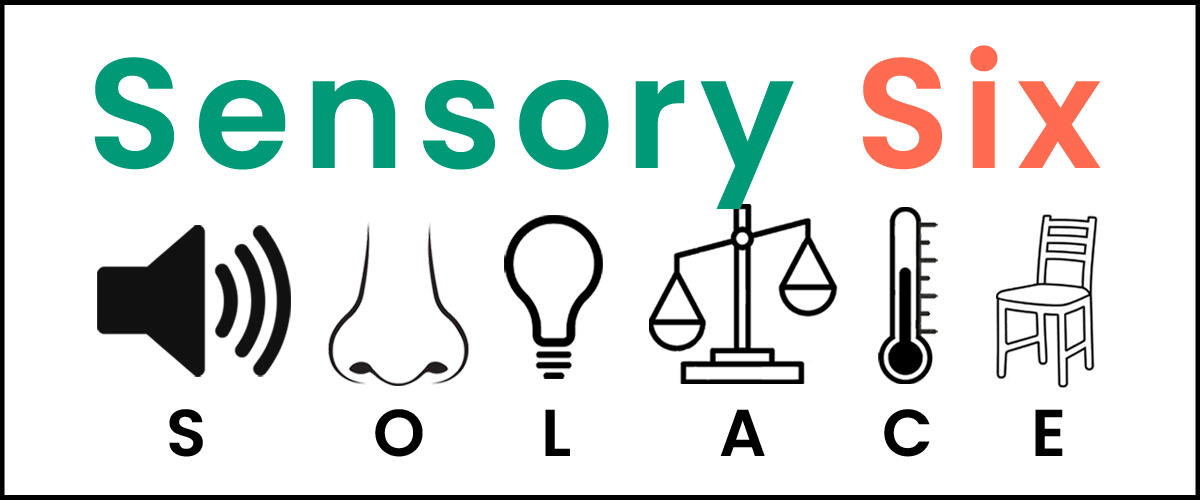
Sensory Six & Comfort Clix (TM)
"Sensory Six" refers to the 6 sensory channels that inform the way we experience the world.In individual & internal context it refers to the typical 'five senses + one', aka hearing, sight, smell, taste, touch, plus temperature.In the context of external sensory inputs (aka the SOLACE Model), it refers to the environmental sensory load factors: Sound, Olfactory (smell), Light, Accumulation, Climate, and Ergonomics
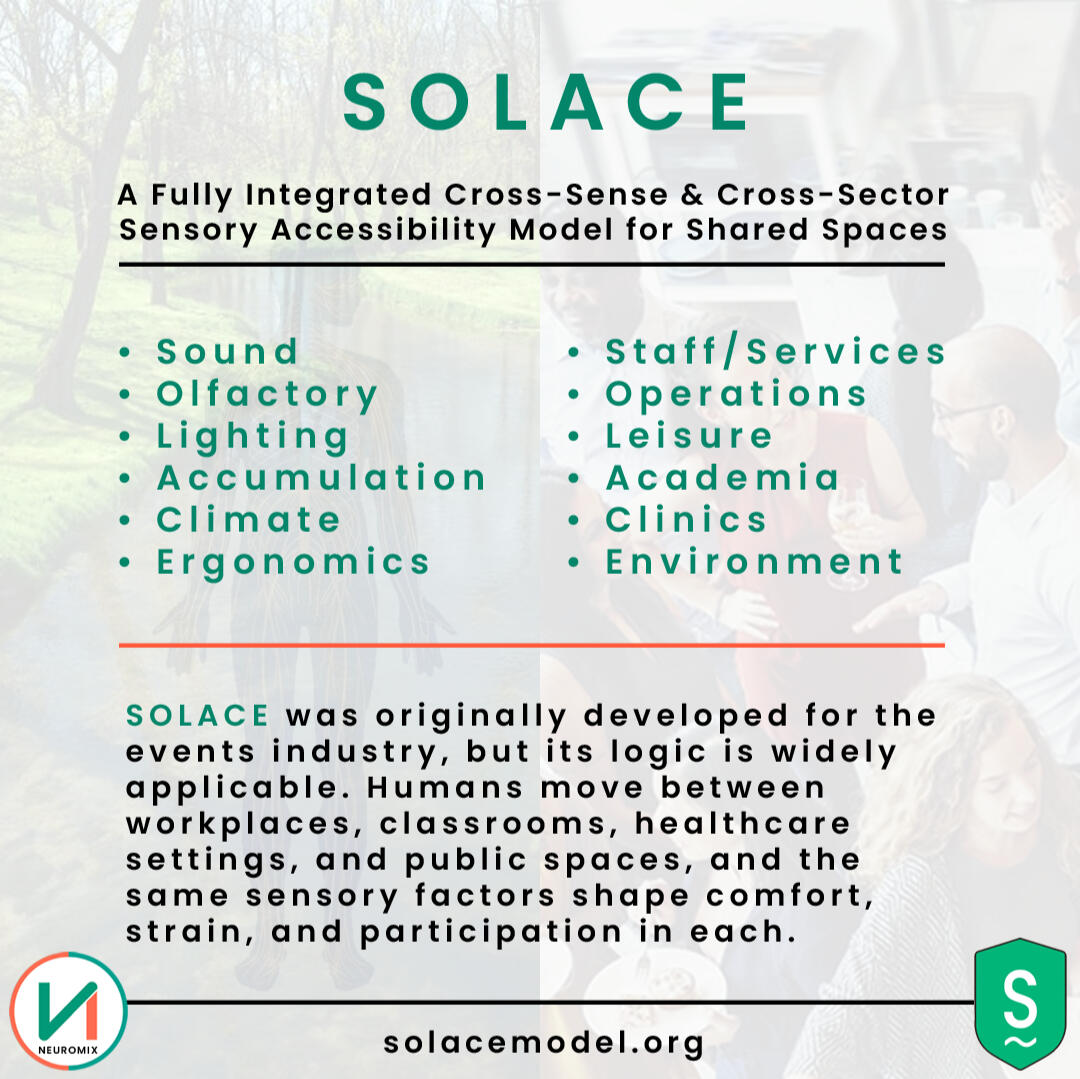
Comfort Clix (TM)
'Comfort Clix' is the shorthand for fast, simple changes and tweaks that can be implemented to make a space more sensory friendly.
Comfort Clix for EventsSound: Reduce average volume by 10 db
Speech clarity drops before perceived excitement does.Scent: Skip added fragrance
Scent bypasses consent and accumulates invisibly.Lighting: Avoid direct glare at seated eye level
Eyes cannot relax under constant brightness stress.Accumulation: Stagger sensory intensity
Sustained sensory load exhausts faster than short bursts.Temperature: Stabilize temperature
Ongoing temp fluctuations dysregulate more than slight persistent discomfort.Ergonomics/Physical Comfort: Give guests posture choices
Static posture builds fatigue that shortens tolerance.
JOIN THE NEWSLETTER
Sensory Science!
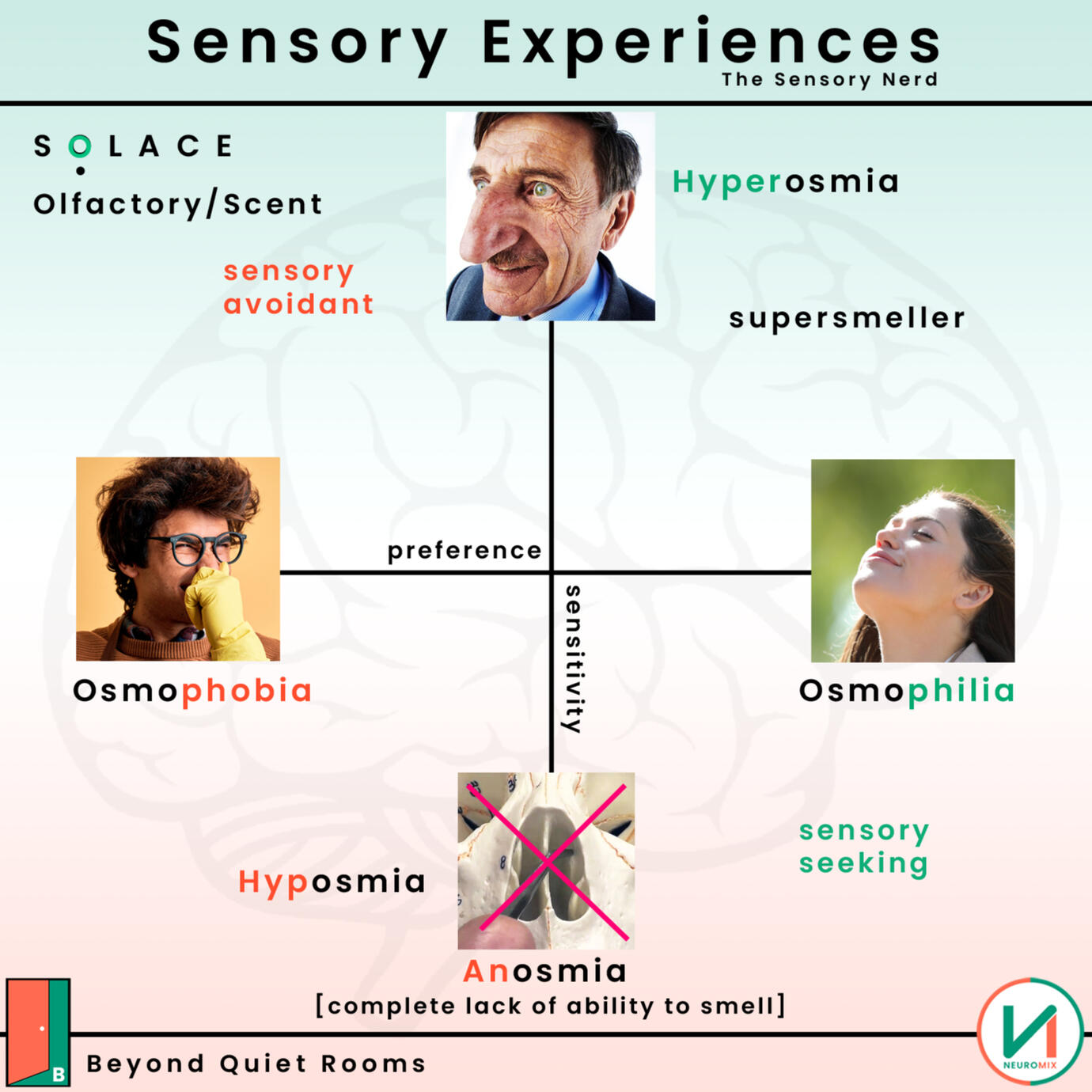
There is a lot of fascinating science around sensory perception - how it works, how it can be fooled, and the ranges of sensitivity, and sensory seeking vs avoidance.Here is a graph representing the extremes of the sense of smell, which is our most complex sense of the main 5.
Here is one hand-picked science video for each of our senses:
SOUND
SMELL
SIGHT
TASTE
TEMP

TOUCH
If you want to do a deeper dive through some science videos, check out this blog post.
JOIN THE NEWSLETTER
SENSORY SURVEYS
Neuromix has been conducting surveys (both of the general public, as well as specific sectors) to quantify key issues to aid our advocacy and consulting work.
If you'd like to help contribute to this work, the various surveys are linked below.
SHORT SURVEYS (5 or less mins to complete)
• Sensory Barriers 'Bingo' Short Survey
• Sensory Aid Preference Survey
• AMA: Ask Me Anything About Your Senses
• "Neurospreading" SurveyLONG-FORM SURVEYS (20-30 mins to complete)
• General Public Sensory Comfort Survey (gift card draw)
• Event Industry Staff Sensory Comfort Survey (gift card draw)
• Retail Staff & Patron Sensory Comfort Survey (coming soon)
• Restaurant Staff & Patron Sensory Comfort Survey (coming soon)
• Healthcare Staff & Patient Sensory Comfort Survey (coming soon)
SENSORY STATS
Humans exist in every space, but sensory comfort is rarely considered in shared spaces. Sound, light, temperature, and physical comfort all shape our focus, memory, connection, and overall experience.
Why This MattersThis is not just an accessibility concern. It is a social, economic, and public health issue.Most sensory-friendly initiatives focus on isolated accommodations or compliance-based checklists. While well-intentioned, these approaches rarely account for cumulative sensory load, contextual tradeoffs, or the reality that most people disengage quietly rather than filing complaints.
KEY STAT HIGHLIGHTS FROM PUBLIC SURVEY
The following stats are from the cumulative totals of responses up to the spring of 2026. These stats are updated periodically.
Primary sensory discomfort drivers:
(across all genders and neurotypes)• Sound: 83% of respondents
• Seating and physical comfort: 44%
• Temperature and lighting tied at 39% and 38%.• Across the dataset, 91% of respondents reported being consistently uncomfortable in event environments as they currently exist.• Discomfort is not limited to neurodivergent respondents: While only 12.5% of respondents (so far) identified as neurotypical, over 70% of those respondents show evidence of recurring sensory strain based on endurance limits, early exit behavior, or identified discomfort triggers.• 43% of respondents reported not being able to tolerate an overstimulating environment for more than 60 mins.• 62% of respondents are not comfortable raising an issue of discomfort to staff, meaning most sensory failures never register as feedback or complaints at all.• Approx 70–75% indicate they leave environments silently rather than ask staff to intervene.• 78% of survey respondents said they are more likely to return to or recommend a venue that demonstrates sensory awareness (even when no formal accommodations are needed)
For a more in depth breakdown (of a slightly older data set), check out this blog post.
THE SURVEYS
Neuromix has been conducting surveys (both of the general public, as well as specific sectors) to quantify key issues to aid our advocacy and consulting work.If you'd like to help contribute to this work, the various surveys are linked below.
SHORT SURVEYS (5 or less mins to complete)
• Sensory Issues 'Bingo' Short Survey
• Sensory Aid Preference Survey
• "Neurospreading" SurveyLONG-FORM SURVEYS (20-30 mins to complete)
• General Public Sensory Comfort Survey (gift card draw)
• Event Industry Staff Sensory Comfort Survey (gift card draw)
• Retail Staff & Patron Sensory Comfort Survey (coming soon)
• Restaurant Staff & Patron Sensory Comfort Survey (coming soon)
• Healthcare Staff & Patient Sensory Comfort Survey (coming soon)
JOIN THE NEWSLETTER:
NEUROMIX SERVICES
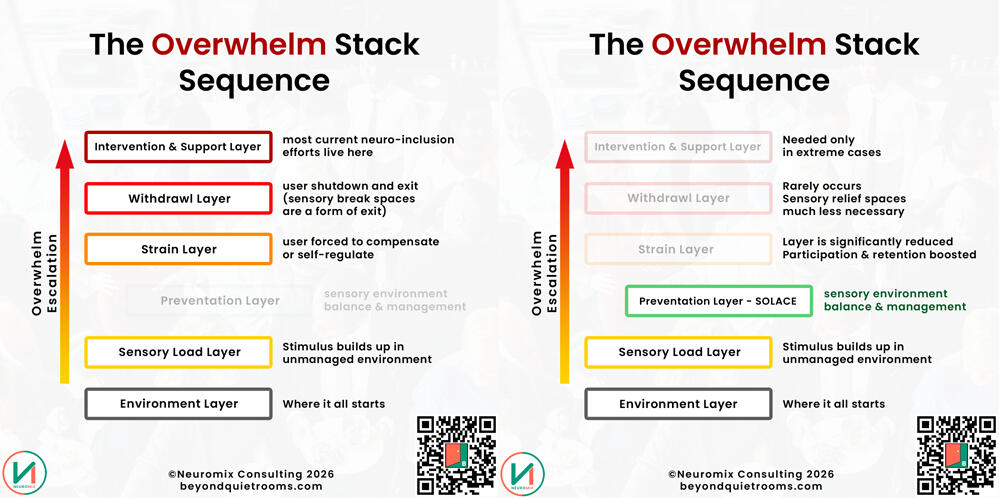
Neuromix helps organizations and venue owners understand, measure, and improve sensory conditions in shared spaces so that patrons, guests, and/or staff can stay longer, engage more fully, and be more likely to return and recommend.
CORE OFFERINGS
Speaking, Training, and Workshops• Keynotes & Panels
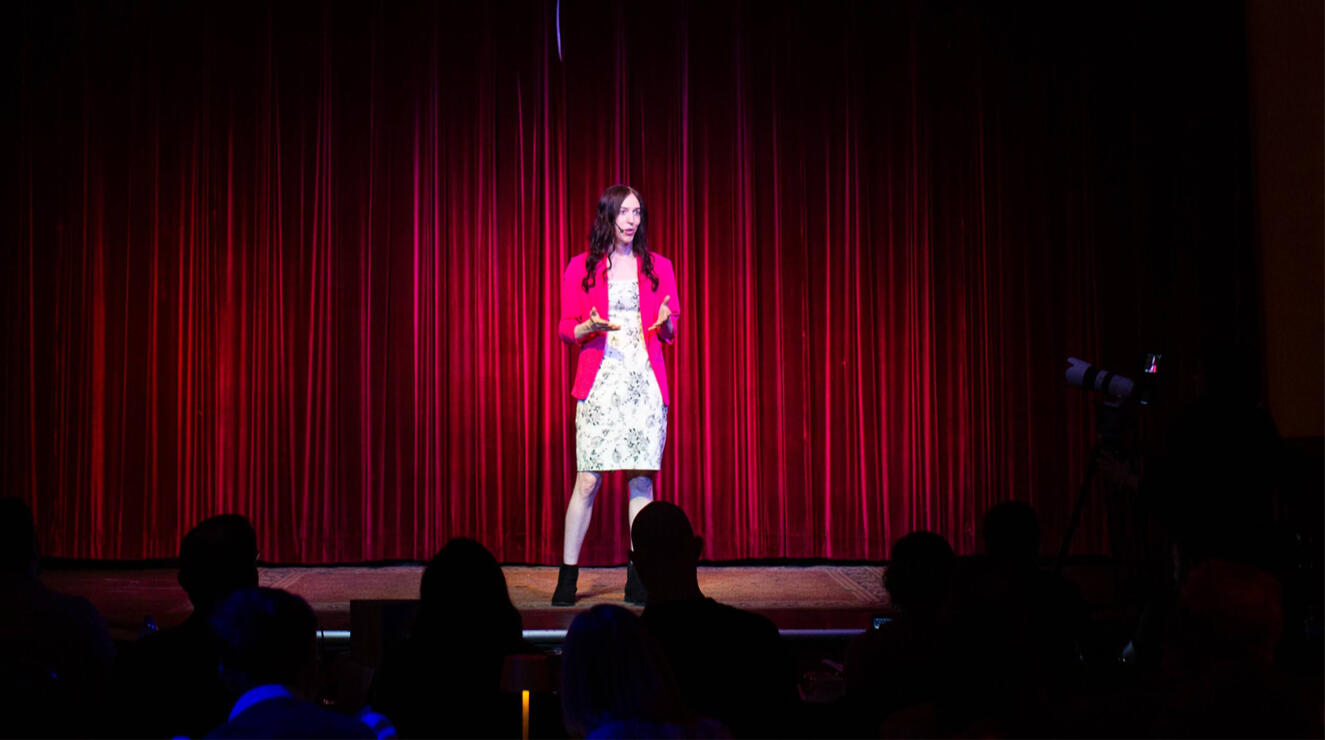
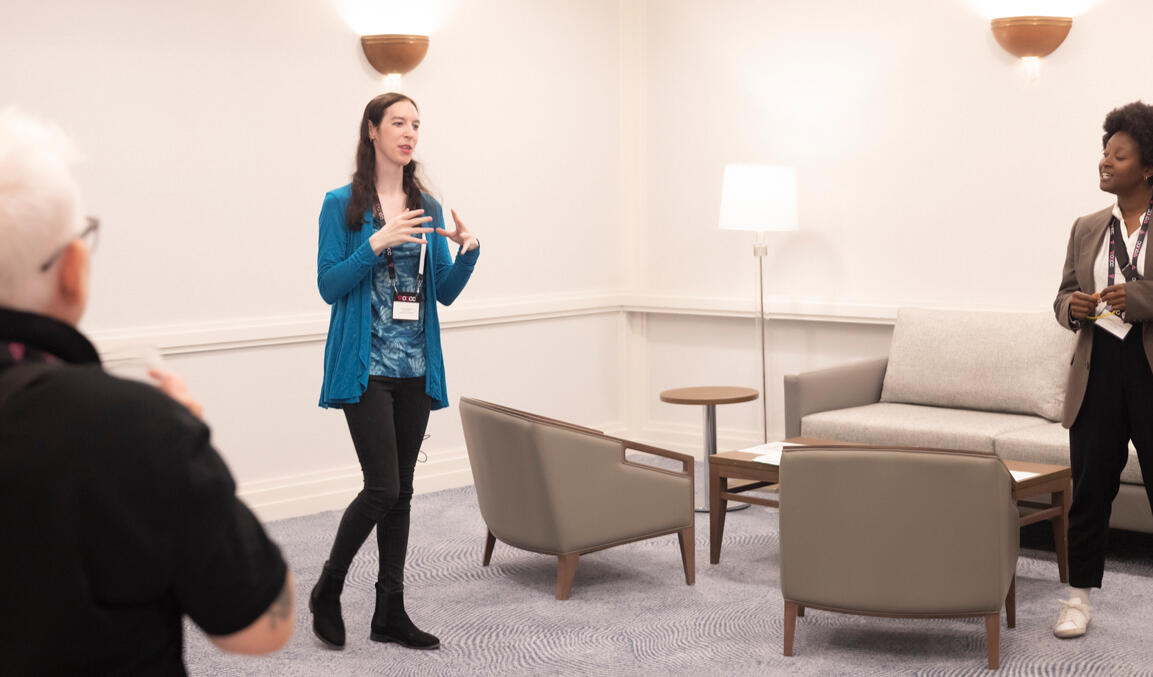
Lacey Artemis brings years of experience delivering talks ranging from corporate training to keynote presentations, with a focus on sensory comfort, inclusion, and human-centered design.
• Training & Workshops
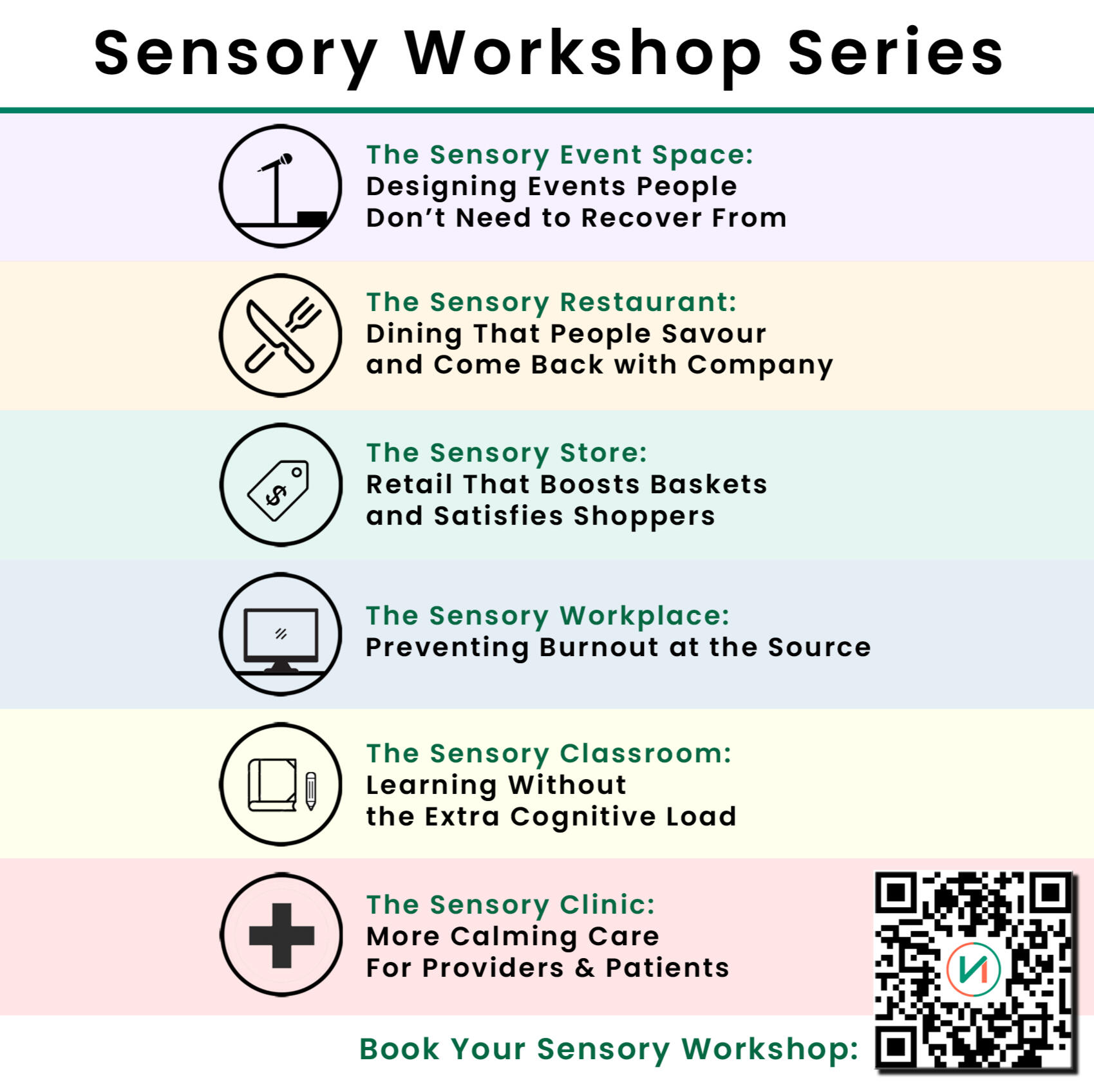
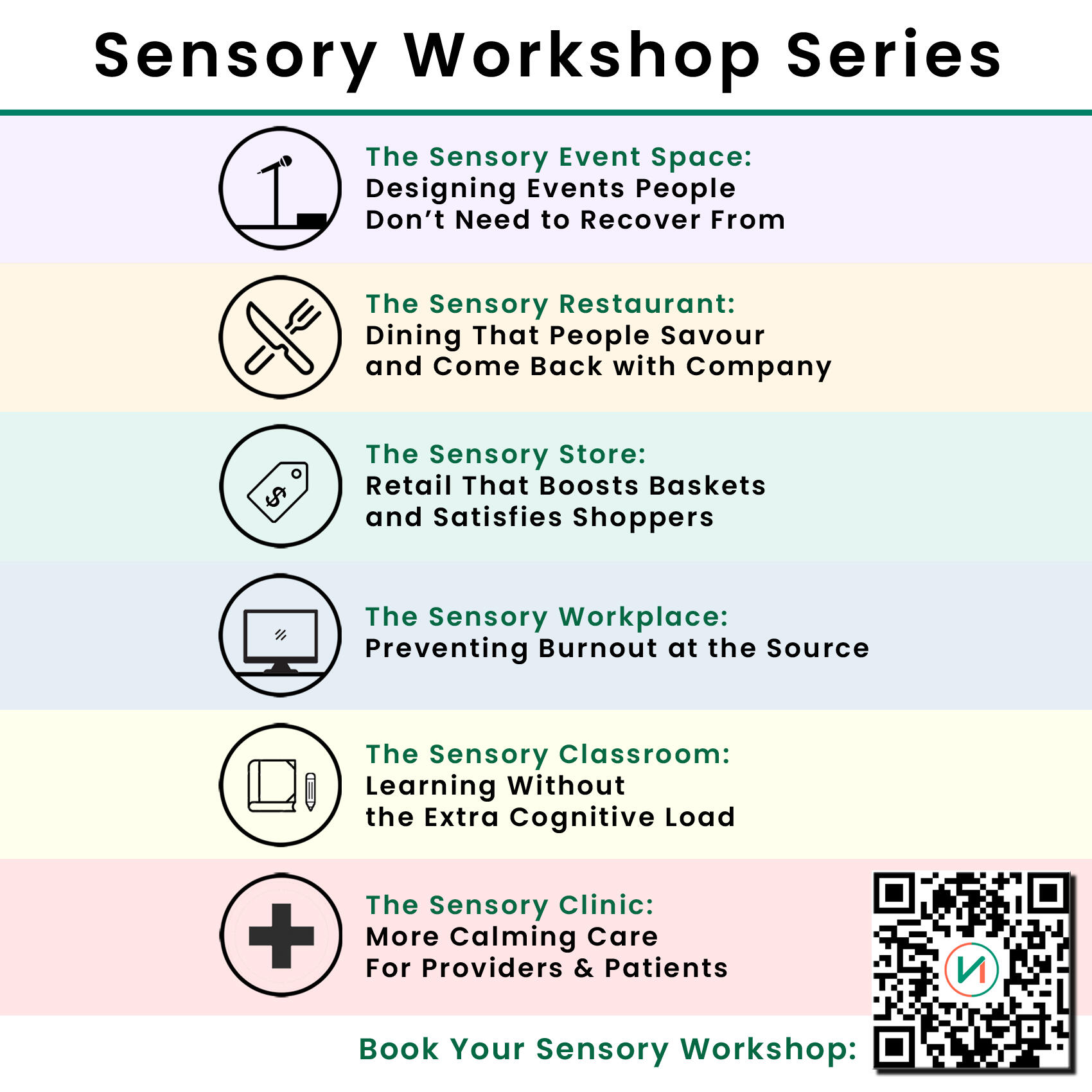
Delivered directly to organizations or offered as premium webinars and digital courses. The following sessions are available on demand for a fee.The Sensory Event: Designing Events People Don’t Need to Recover From
The Sensory Restaurant: Dining That People Savour and Come Back For More
The Sensory Store: Retail That Boosts Baskets and Satisfies Shoppers
The Sensory Workplace: Preventing Burnout at the Source
The Sensory Classroom: Learning Without The Extra Cognitive Load
The Sensory Clinic: More Calming Care for Providers and Patients
CONSULTING AND REPORTS
Sensory Assessment & CalibrationSPACE Report™ (Sensory Profile and Comfort Evaluation.)
powered by the SOLACE Model™SPACE is a comprehensive assessment that helps organizations recalibrate their environments for scientifically-defined human comfort.It applies anywhere people gather: workplaces, classrooms, public buildings, healthcare environments, community hubs, and event venues.Comfortable spaces support focus, connection, and wellbeing.The SOLACE Model provides a universal, systems-level method for improving experience quality across senses and sectors.
With a SPACE Report™, your organization can:• Increase satisfaction and participation
Improve comfort, reduce sensory barriers, and help people stay longer, engage more, and feel more at ease.• Strengthen reputation and trust
More than 80 percent of survey respondents say they are more likely to return to and recommend spaces that demonstrate sensory awareness.• Support accessibility and inclusion
Align with emerging accessibility expectations and prepare your organization for the next generation of standards.• Improve wellbeing and reduce stress
Comfort supports focus, connection, safety, and community. Balanced environments reduce overwhelm for everyone, not only neurodivergent individuals.• Avoid costly mistakes
Identify low-cost adjustments and smart upgrades that prevent future retrofits, complaints, or turnover.• Deliver experiences that matter
Whether you are a government agency, non-profit, educational institution, healthcare provider, event organizer, or corporate workplace, the SPACE Report and SOLACE Score help your people feel welcome, comfortable, and able to participate fully.
COACHING & ADVISORY SERVICES
Neuromix provides consulting support for organizations that want to move beyond awareness into action.This Includes:• Venue and Space Consulting
For venue owners and managers seeking to improve comfort, repeat visits, and positive word-of-mouth.• Organizational Consulting
For workplaces, institutions, and agencies looking to improve focus, productivity, and wellbeing in internal spaces.• Conference & Event Consulting
For planners and organizers who want to proactively assess venues, plan for sensory risks, and respond effectively if issues arise during live events.
Targeted coaching for individuals responsible for shaping shared experiences.Coaching is available for:• Event hosts and emcees who want to understand sensory dynamics and deliver better audience experiences.• Managers and team leaders seeking to better support neurodiverse teams.
RESEARCH & DATA
Research & Survey Data Access• Proprietary Sensory Survey Data
Paid access to Neuromix’s patron and participant experience survey data, available to organizations and researchers seeking deeper insight into sensory comfort trends.
SERVICE TIERS
• Basic SOLACE Assessment
Entry-level assessment for a single venue space, including a foundational SPACE Report. (Starting at $1,000 CAD)• Comprehensive SPACE Report
A more detailed evaluation for individual venue spaces.• Enhanced SPACE Package
Includes deployment of the proprietary SCOPE Box (TM) and optional custom patron or audience surveys.• Workshops & Staff Training
Tailored education to support implementation and long-term improvement. Email us or book a call to get a quote.
Not a large venue? We offer bite-sized audits and consultations too, designed for community organizations and smaller event spaces.Book a consultation today.
Organizations that Lacey has been involved with:
PLAYSPACE
THE BURNOUT BUSTING
ANTI-OVERWHELM WORKSHOP
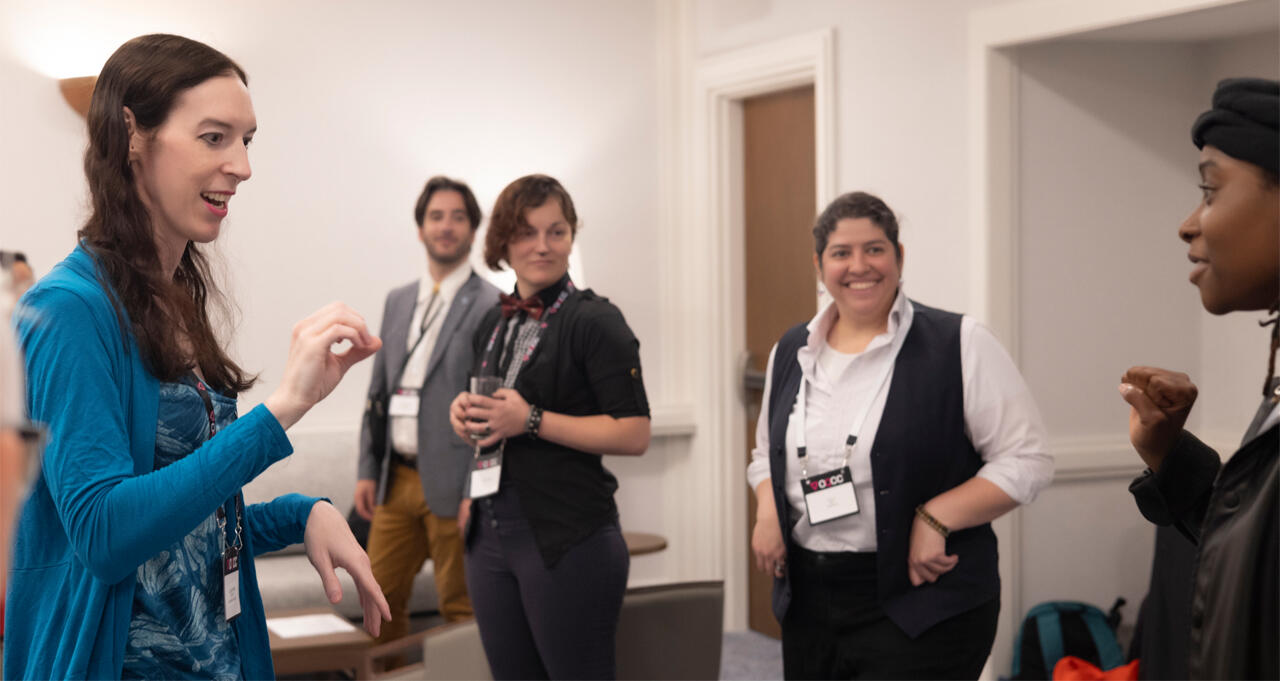
What do you get when you mix a comedian, an accountant, and a project manager?You get Lacey Artemis - Founder & CEO of Neuromix Consulting, and creator of PLAYSPACE: The Anti-Burnout Workshop.
What is PLAYSPACE?A playful, science-backed reset for tired teams and noisy events.PLAYSPACE is a unique workshop that blends performing arts, sensory awareness, coaching, and lived experience. It was born from Lacey’s playful spirit, her desire to help people, and… from way too many loud, draining experiences at work and networking events.It’s quieter (no yelling)
It's engaging (not dull)
And it's fun! (no kidding!)Guests come in tense, tired, and overstimulated – they leave laughing, clapping, and ready to reconnect.
Quiet isn't silence when your creativity is loud
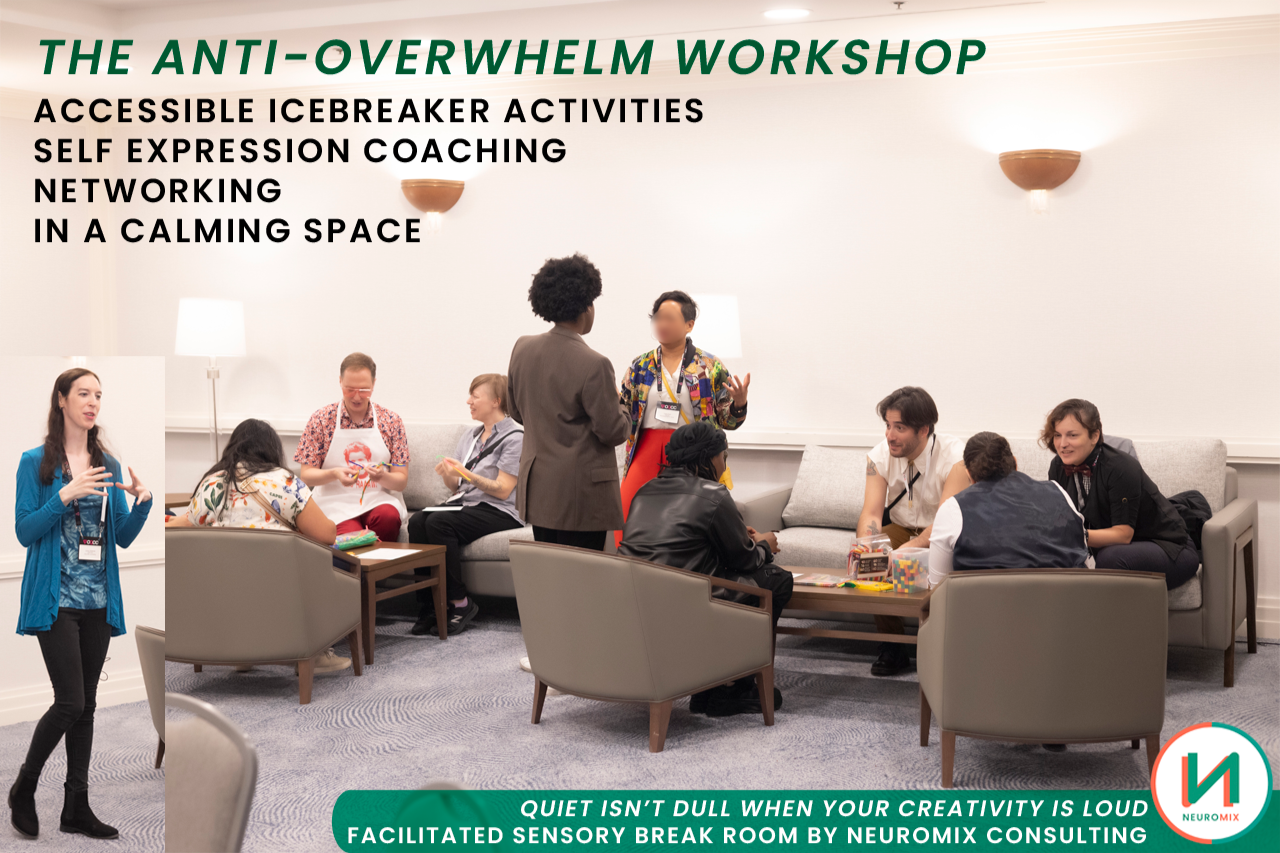
For Teams & Organizations• Re-energize staff during crunch periods or after long projects.• Reduce burnout and stress with practical, playful reset activities.• Improve morale and productivity by creating space for comfort and connection.Book a Team WorkshopFor Conferences & Events• Transform overstimulation into inclusion with a sensory-friendly break space.• Offer attendees a chance to recharge while still engaging meaningfully.• Elevate your event reputation by being remembered as welcoming, not overwhelming.Book an Event Session
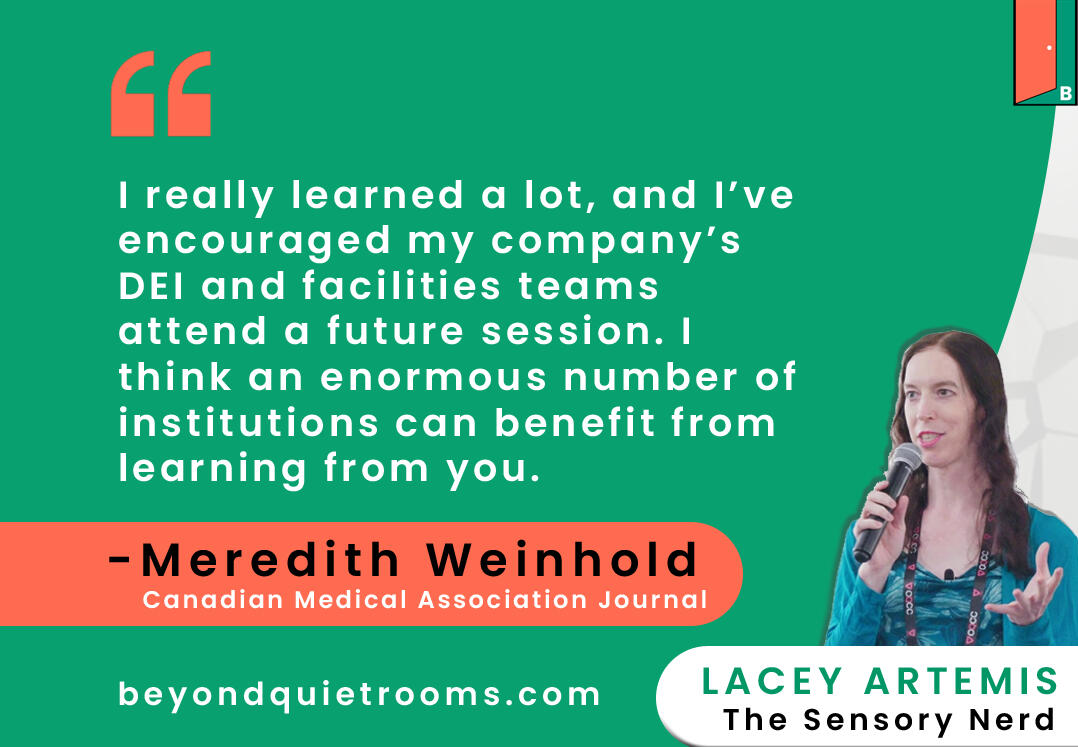
Here's what PLAYSPACE attendees have had to say:
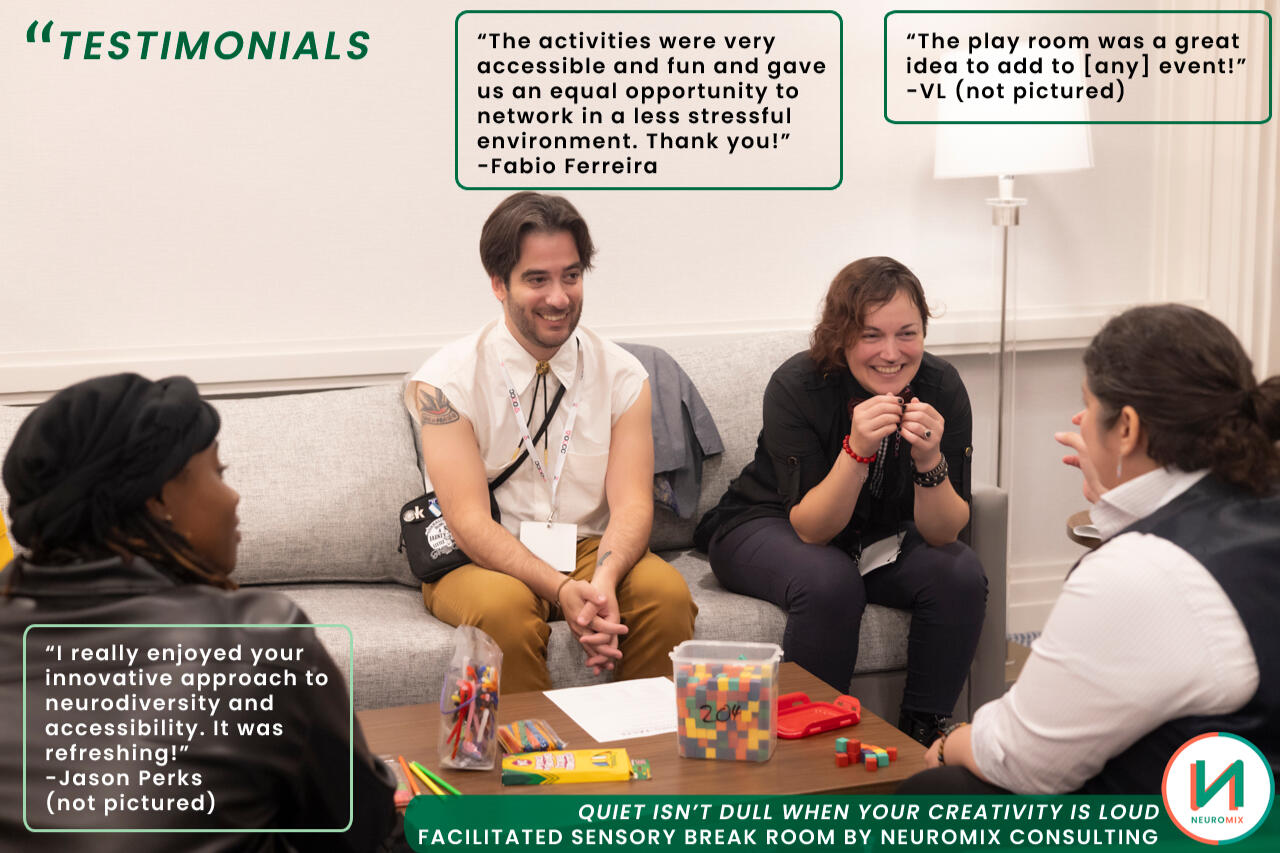
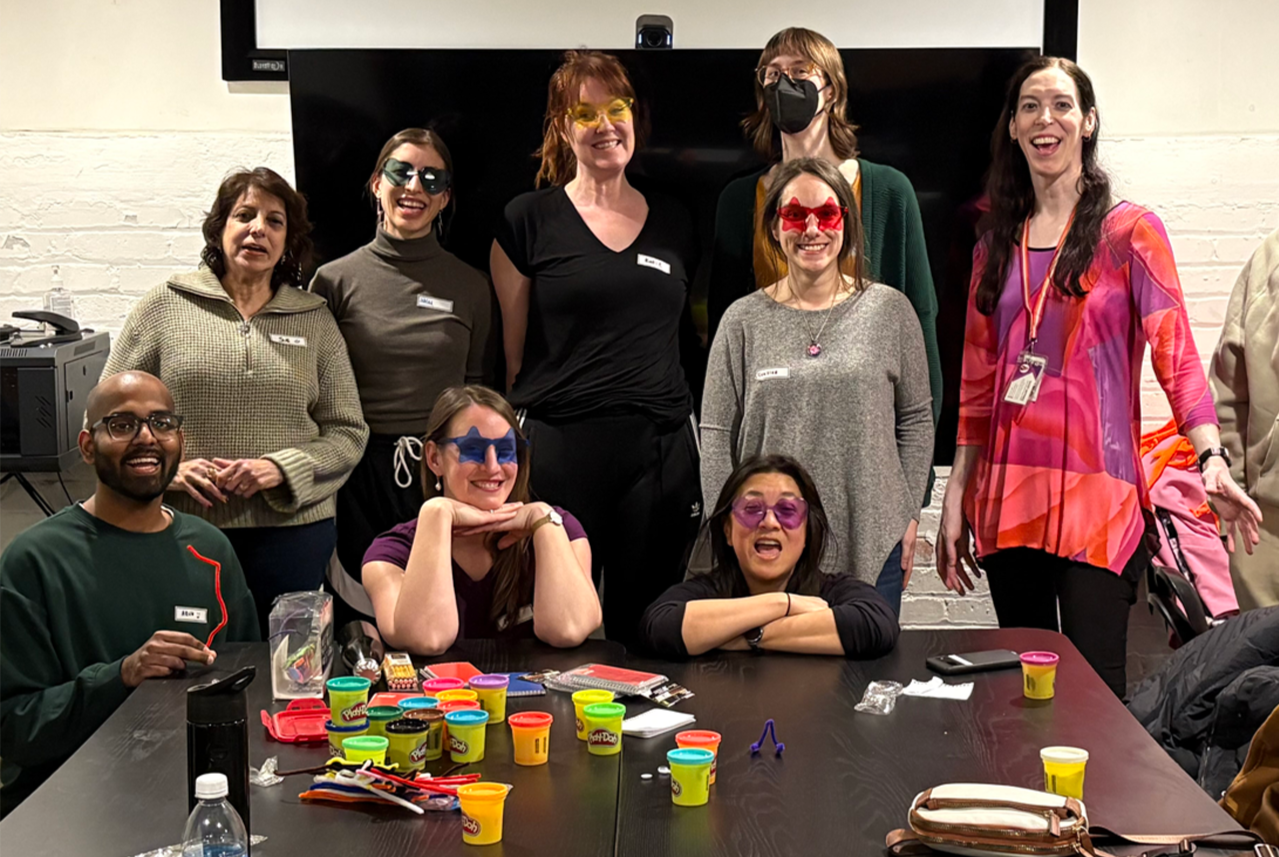
From ambient stress to solace – comfort enhances experience.
ARTICLES & PRESS
Guest Blogs:• Looking Out For Each Other - OQCC BlogArticles Authored:
• Weighted Blankets & Heavy Words: Sensory Terminology Demystified
• A SOLACE Snapshot: Review of the Accessibility Professionals Network Conference 2026
• Investing in Prevention: Failed Systems and Fire Extinguishers
• Sensory Science Video Roundup: Presented by The Sensory Nerd
• Freezing Us Out of Spaces: Why Calibration Matters More Than Accommodation
• No Trick Questions: What's Behind Good Sensory Spaces
• Beyond the 9%: What Real Data About Events Reveals
• Not a Niche: Contrast Collapse is a Systems-Level Problem
• Sensory Contrast Collapse: The Battle for Balanced Comfort Across Senses
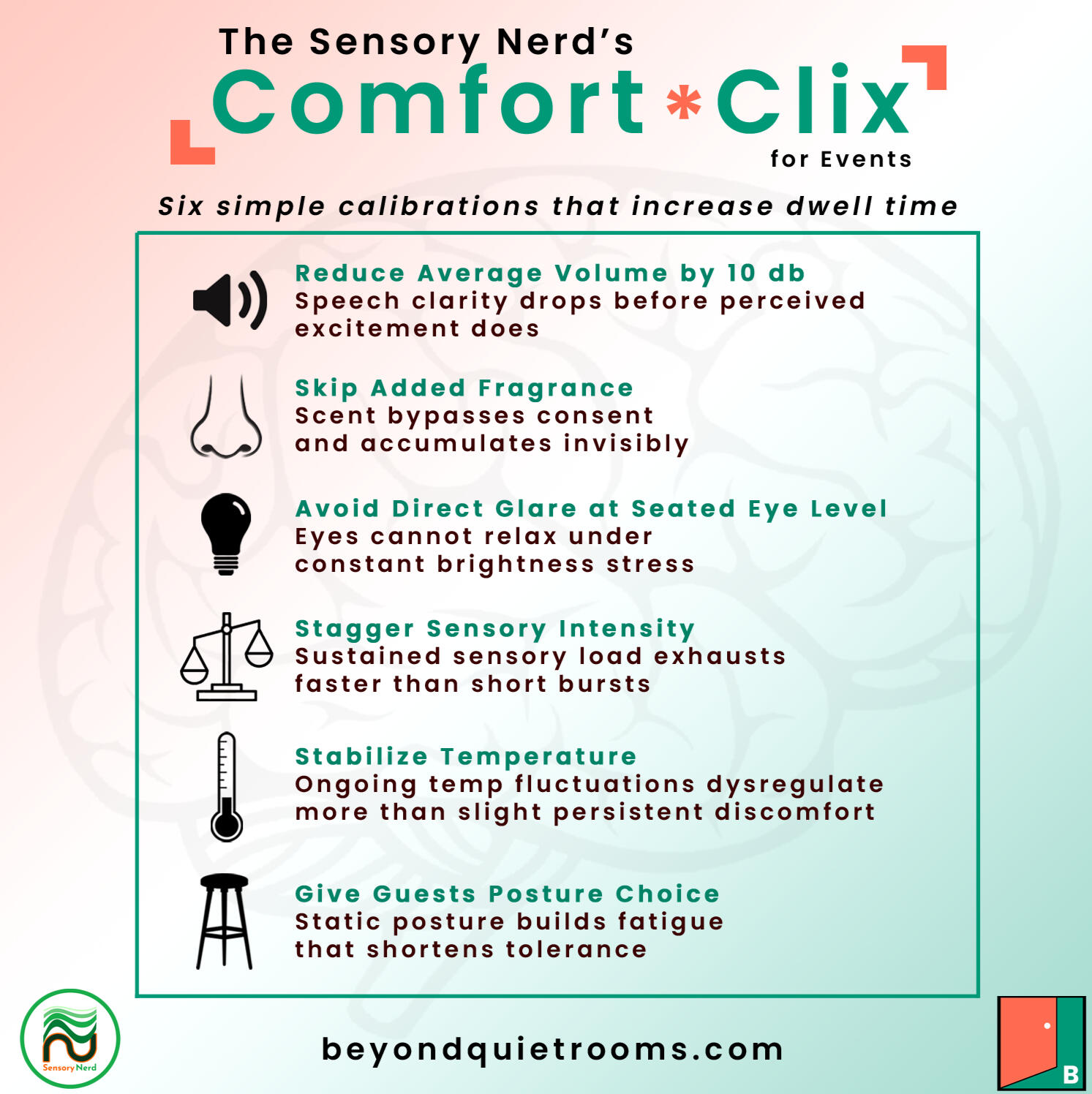
• Beyond Quiet Rooms
• The Loudness Wars - Why the Volume at Events Needs to Come Down
• Mapping the Neuro Gap - The Hidden Cost of Being Her
• Mapping the Overlap - Finding Common Ground In Common Spaces
Lacey as the guest on other podcasts
• Celebrating Neurodiversity with Lacey Artemis - Hosted by Jenine Lillian
• Our Disabled Future with Nico Meyering
• AdaptX Podcast Episode 097 - Strategies to Support the Sensory Needs of Consumers with Lacey Artemis
• Hat Collecting Podcast - Special Episode "Accessibility Beyond Your Own Experience" (hosted by Lacey)NeuroCurrent Podcast (hosted by Lacey):
• Ep 04: with Falisha Karpati, PhD
• Ep 03: with Uli Egger of Rick Hansen Foundation
• Ep 02: with Shanondoah Nicholson of Beyond the BEO
• Ep 01: with Erin Sisko of The Elleiance Network
FREQUENTLY ASKED QUESTIONS
1. We’ve never had complaints about this before.That’s extremely common. Most people do not speak up about sensory discomfort. They simply disengage, lose focus, or quietly choose not to return. The cost rarely shows up as a complaint. It shows up as reduced participation, lost trust, and fewer repeat visits.2. We already meet building codes and accessibility standards.Compliance is the starting point. Codes ensure legal safety, but they do not measure sensory comfort, cognitive load, or how people actually feel in your space. SOLACE goes beyond compliance to help your environment perform better for the humans who use it.3. We can’t afford upgrades right now.Many recommendations are low or no cost. I separate immediate improvements from long-term options so you can make progress without a dedicated budget line. Even small adjustments can significantly reduce Sensory Contrast Collapse.4. People seem fine with the way things are.Some people are fine. Others push through discomfort, leave early, avoid the space, or disengage. SOLACE helps you reach the people who are currently struggling but not saying anything. This is not about changing what works. It’s about widening access and strengthening experience quality.5. Why should we hire you when we can just Google best practices?Generic checklists do not account for your layout, acoustics, HVAC, lighting design, workforce needs, or community. The SOLACE assessment is tailored, lived-experience-informed, and backed by sensory data. That is what makes the recommendations clear, actionable, and effective.6. This feels like a nice-to-have investment.Sensory comfort affects focus, burnout, wellbeing, retention, safety, and overall performance. Reducing environmental stress leads to better participation and fewer preventable issues like migraines, fatigue, or cognitive overload. Comfort is not a luxury. It is a productivity and inclusion strategy.7. Why does the SPACE Report cost this much? Isn’t it just a report?It is not just a report. It is expert analysis, on-site or remote observation, sensory data interpretation, structured scoring, and sector-specific recommendations that you can implement immediately. You are investing in long-term gains: improved engagement, higher retention, reduced overwhelm, and a stronger reputation for accessibility and care.8. Can’t our staff manage this on their own?Staff manage daily operations, but they are accustomed to the environment and may not notice sensory issues that affect newcomers or vulnerable populations. I bring fresh eyes, structured criteria, and an evidence-based framework to ensure nothing gets overlooked.9. Is this only for large organizations?Not at all. SOLACE and SPACE work for organizations of any size. In smaller teams or community spaces, improvements often have an even bigger impact because every participant, client, or staff member matters.10. How do we know this will actually pay off?There is strong research showing that sensory-friendly environments increase satisfaction, productivity, and repeat engagement. I also provide measurable before-and-after scores so you can track progress over time. This is not vague. It is data you can monitor.
SPACE and Other Standards
How is the SPACE Report different from OSHA, LEED, WELL, or ASHRAE?OSHA, LEED, WELL, and ASHRAE focus on safety, sustainability, or system performance. SPACE focuses on how humans experience environments in real time. It integrates comfort, inclusivity, and sensory accessibility. Think of SPACE as the missing layer that connects technical compliance with human experience.Does SPACE replace standards like LEED or WELL?No. SPACE complements them. LEED focuses on sustainability. WELL focuses on health and wellness. SPACE focuses on sensory and social comfort, and how people actually feel and function in the space.Is SPACE recognized by government regulators?SPACE is an independent methodology developed by Neuromix Consulting. It references established standards but is not a government certification. Its value is in going beyond minimum compliance to help organizations create environments that are welcoming, inclusive, and comfortable for more people.Why invest in SPACE if we already meet all required codes?Codes ensure that your environment is safe enough. SPACE helps you create an environment that is comfortable, human-centered, and supportive of focus and connection. That leads to better outcomes for staff, clients, visitors, and communities.Can SPACE integrate with LEED, WELL, or BOMA?Yes. SPACE often highlights opportunities that support or enhance these frameworks. Improved air quality aligns with WELL. Better acoustic balance can contribute to LEED criteria. SPACE adds the lived human experience lens that these frameworks do not measure directly.Does SPACE only work for new builds?SPACE can be applied to both new and existing environments. For existing spaces, the recommendations focus on practical retrofits and operational improvements. For new projects, SPACE helps ensure sensory comfort is considered from the design stage.
ADDITIONAL NOTES
• Even one accessibility-related incident can damage trust and reputation. SOLACE reduces risk and supports proactive inclusion.• Replacing a single staff member can cost one to two times their salary. Reducing sensory stress supports retention and reduces burnout.• There are many DEI or accessibility consultants, but very few who specialize in neurodiversity-focused sensory environment design.• The SOLACE framework is not a template. It is a tailored system grounded in real human experience and your organization’s specific needs.
THE SENSORY NERD SHOW - Coming Soon

Lacey (she/they) is a researcher, speaker, consultant, and creative producer. She was late-diagnosed Autistic/ADHD, and has struggled with sensory issues her whole life.Lacey has always had a strong interest in science and understanding how things work. She eventually dubbed herself The Sensory Nerd as most people only focus on one or two senses, but she wanted to understand them all.When her sensory issues began to make it much harder to enjoy social events, she applied her sound engineering knowledge to begin studying all sensory channels and develop a model for environmental calibration.Now she writes and speaks on sensory accessibility advocacy from a systems lens, as well as traveling to spaces to take measurements, and providing guidance on improving sensory comfort in spaces.Lacey has a youtube channel (@SensoryNerd), and is an associate member of CAPS (Canadian Association of Professional Speakers)She is passionate about teaching, entertaining, and bringing about change.
FUN FACTS
Lacey has studied a few different languages to varying degrees including Spanish, French, Greek, American Sign Language (ASL), and Japanese. She hopes to travel in the future to speak and perform around the world.Lacey enjoys skating, biking, climbing, and swimming. She's a big hockey fan and also enjoys racket sports. She also enjoy board games, card games, video games, escape rooms, and other puzzles.
RESOURCES
NEUROMIX ORIGINALSIn this pDrive Folder, you can find the following resources:• Sensory Nerd's S.T.I.M. Guide - Sensory Terminology Interpretation Manual
• Sensory ASKipedia - Periodic Table of Sensory and other helpful information
• Sensory Barrier Bingo Card v1.3 FULL SIZE
• Sensory Overload Roadmap
• Sensory Contrast Collapse Whitepaper
AFFILIATES• Earpeace Earplugs - I didn't like Loops when I tried them, I tried several alternatives and Earpeace were my favourites.
ACCESSIBILITY TOOLS AND RESOURCES• Retrophilia Accessibility Pins - Also stickers, fidget toys, and other items
• Mighty Plugs - Special wax earplugs for sleeping
• Microassistive Tech
• Sekond Skin Society - Where people with and without disabilities come together through movement. The Fitness Community for Everybody and Every Body.
OTHER ORGANIZATIONS IN THE COMMUNITYSensory Specific
• Calm Nest Collective (EU)
• Kulture City - Sensory Training and Kits (USA)
• Rick Hansen Foundation (CAN)
• Soundprint - Find Your Quiet Place (USA)Sensory Pods
• Nook Sensory Pods (USA)
• Metronaps 'Energy Pod' (USA)Additional
• Candor Diversity Group
• Neurodiversity Change Network
• Falisha Karpati,PhD: Neuroscientist, Inclusion Consultant
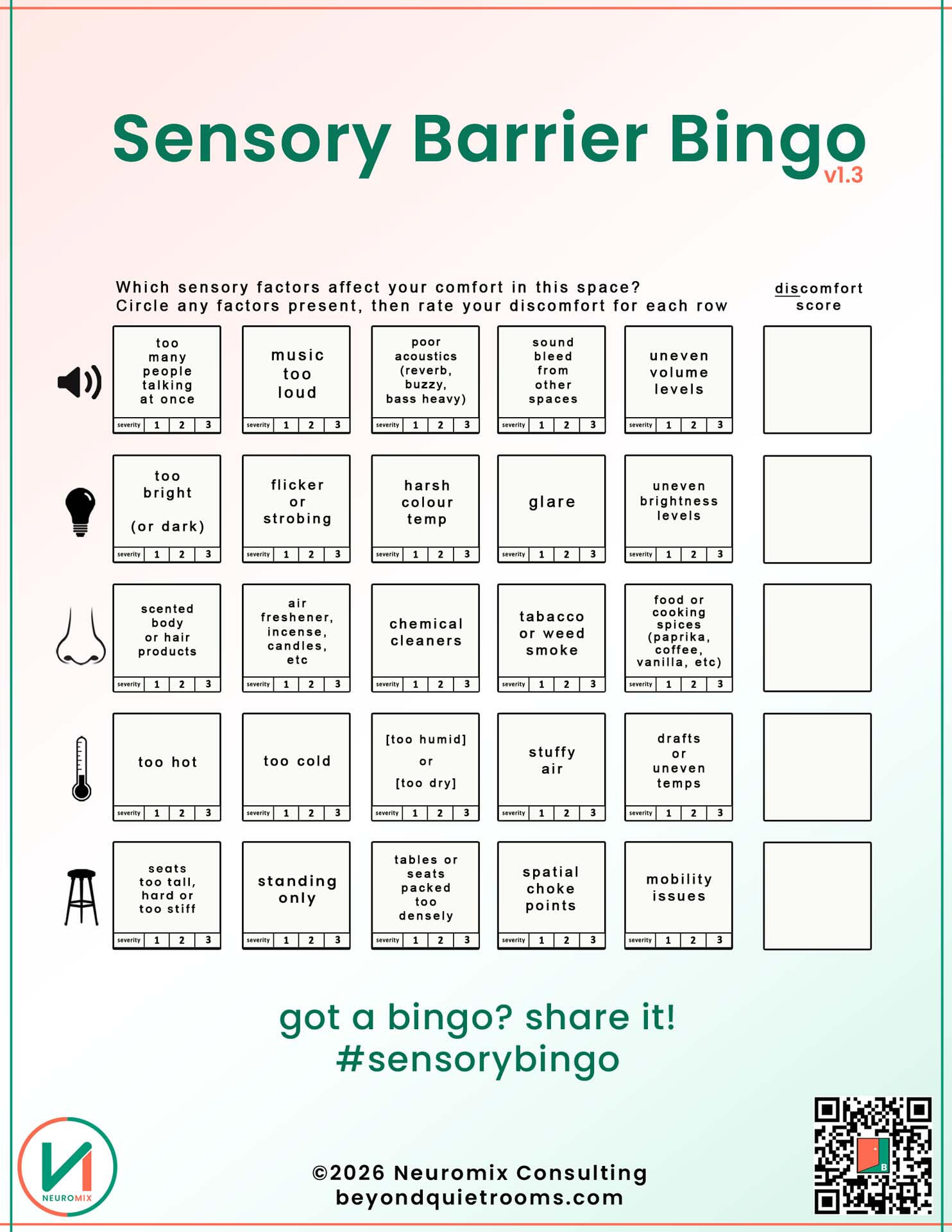
SENSORY BINGO SHEET
Download and print the bingo card for use at your event or workplace, or fill out the card digitally. Marked PDFs or scans can be returned to info[at]neuromixconsulting.com.
Lacey (she/they) is a versatile multi-passionate creative producer, speaker, coach, advocate, and more. She was late-diagnosed neurodivergent, and has blossomed into a dynamic and engaging voice at any event.